When Hunger Steals Mothers and Children
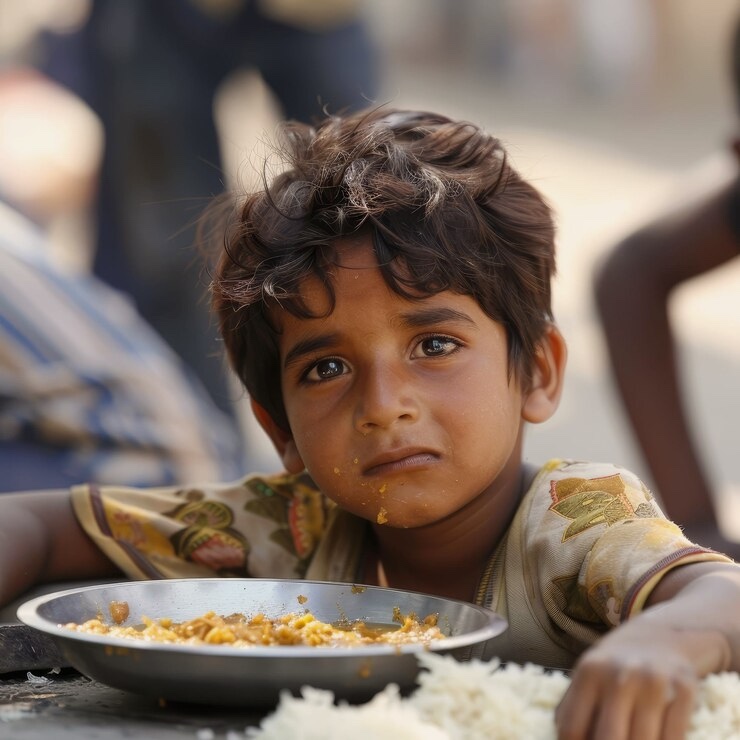
Lynn hasn’t felt her baby move in two days. At seven months pregnant, she should feel constant kicks and rolls, but hunger has weakened them both. She walks three miles daily to find water, surviving on one small meal that barely fills her palm. Her other children—ages 3 and 5—watch her with hollow eyes, their bellies swollen with malnutrition, their growth stunted by months of insufficient food.
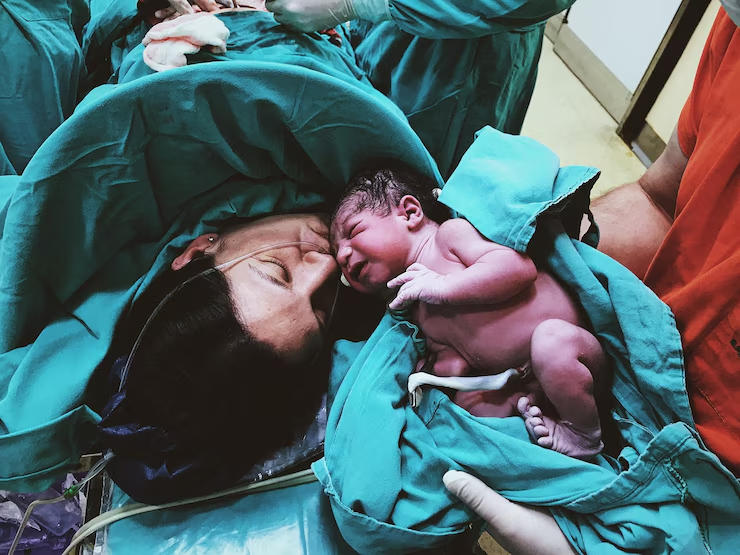
When labor comes, Lynn will face childbirth without the strength to push, without the nutrition to heal, without the resources to feed the baby she’s fighting to bring into the world. Her story echoes across continents, in villages and slums where hunger doesn’t just threaten individual lives—it destroys entire families, generation after generation.
This is the invisible crisis that kills more mothers and children than wars, natural disasters, and diseases combined. Yet it’s completely preventable.
The Deadly Cycle: When Hunger Becomes Hereditary
Every day, 25,000 people die from hunger-related causes. Among them, pregnant women and children under five bear the heaviest burden. Hunger doesn’t just kill quickly—it kills slowly, stealing futures one malnourished pregnancy at a time, one stunted child at a time.
The numbers paint a devastating picture:
- 828 million people face acute hunger worldwide
- 45 million children under five suffer from severe acute malnutrition
- 149 million children are chronically malnourished and stunted
- 1 in 6 babies is born with low birth weight due to maternal malnutrition
- Every 2 minutes, a child dies from malnutrition-related causes
But behind each statistic lies a mother’s nightmare and a child’s stolen future.
The Mother’s Sacrifice: When Love Isn’t Enough
Aisha gave birth to her daughter weighing barely 3 pounds. She had eaten nothing but rice and beans for months, saving every piece of meat, every egg, every nutritious bite for her other children. Her body, depleted of essential nutrients, couldn’t nourish the baby growing inside her. “I thought I was being a good mother,” she whispers, cradling her dangerously underweight newborn. “I thought giving my food to my other children was right. I didn’t know I was hurting the baby I couldn’t even see yet.”
Malnourished mothers face impossible choices:
- During pregnancy: Their bodies consume their own tissues to feed the growing baby, leaving both mother and child critically weakened
- During childbirth: Without adequate nutrition, they lack the strength for safe delivery and face life-threatening complications
- After birth: They cannot produce sufficient breast milk, and their weakened bodies struggle to heal
The Children Who Never Had a Chance
Maria’s son Diego was born small and never caught up. At 18 months, he weighs what a healthy 8-month-old should weigh. He cannot walk, barely speaks, and catches every illness that passes through their community. His brain, starved of nutrition during critical development periods, may never reach its full potential. “I look at other children playing, laughing, running,” Maria says, tears streaming down her face. “Diego just watches. He wants to play, but his body won’t let him. I failed him before he was even born.”
The devastating effects of childhood malnutrition:
- Physical stunting: Children’s bodies and brains cannot develop properly
- Cognitive impairment: Malnutrition during critical periods causes permanent intellectual disabilities
- Immune system collapse: Malnourished children are 9 times more likely to die from common infections
- Educational failure: Hunger makes learning impossible, trapping children in cycles of poverty
- Intergenerational transmission: Malnourished girls become malnourished mothers, perpetuating the cycle
The Window of Opportunity: The First 1,000 Days
Scientists call the period from conception to a child’s second birthday the “first 1,000 days”—the critical window when proper nutrition can prevent lifelong consequences. During this time:
- Brain development is most rapid: 90% of brain growth occurs during these 1,000 days
- Physical growth is most critical: Stunting that occurs during this period is largely irreversible
- Immune system development: Proper nutrition during this time provides lifelong protection against disease
- Cognitive development: Adequate nutrition during this period determines learning capacity for life
Miss this window, and the damage is permanent. Seize it, and a child’s entire future transforms.
The Children Waiting for Tomorrow
Tonight, millions of children will go to bed hungry. Thousands of pregnant women will face another day without adequate nutrition. Hundreds of families will make impossible choices between food and medicine, between feeding one child or another. These families don’t want charity—they want the same chance to thrive that we take for granted. They don’t want pity—they want programs that give their children hope.
Every mother deserves the strength to bring her child safely into the world. Every child deserves the nutrition to grow, learn, and dream. Every family deserves the chance to break free from hunger’s grip.