The Critical Need for Educational Support in Underserved Communities
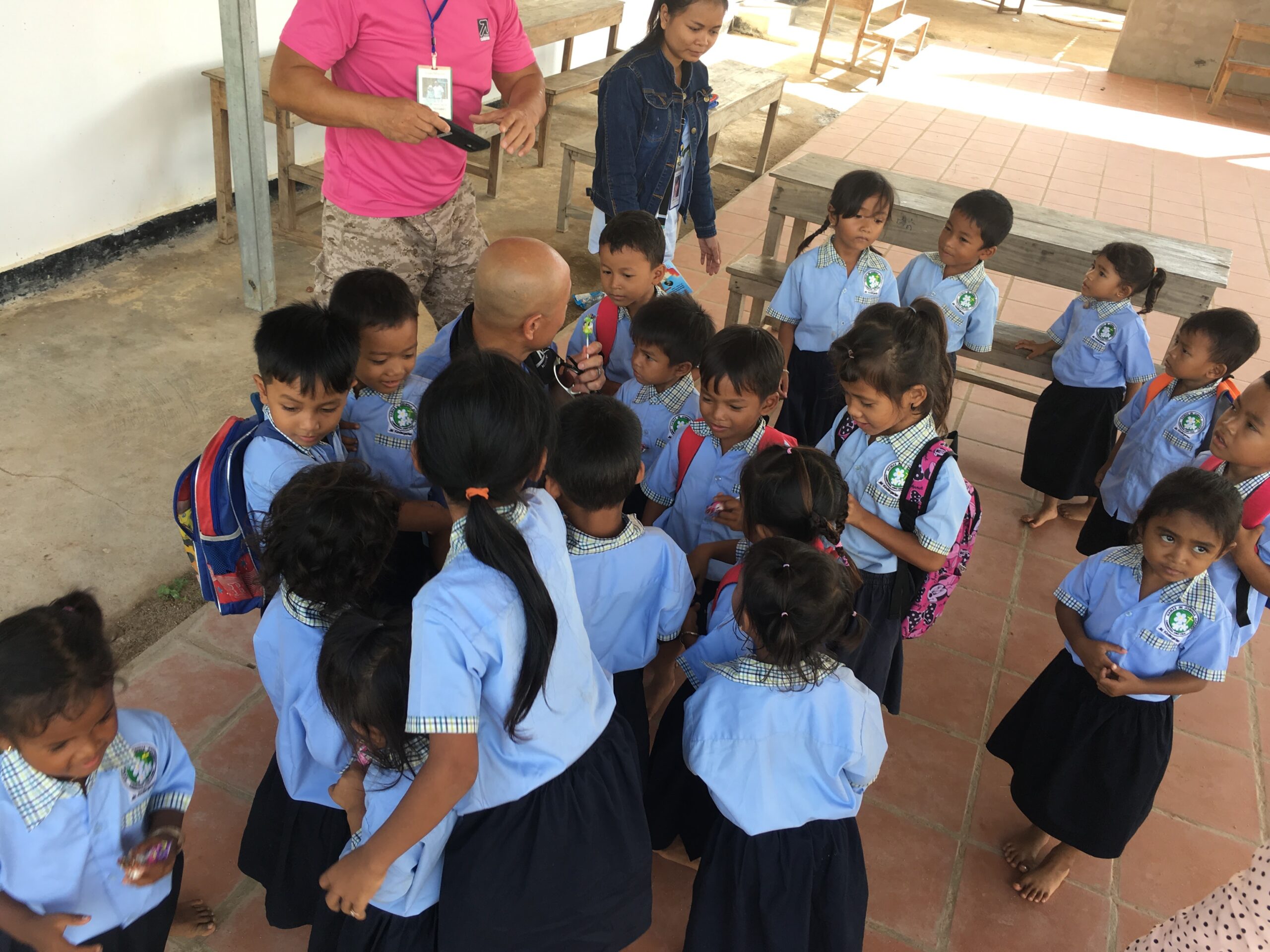
Education is the foundation of human progress, yet millions of children worldwide remain locked out of classrooms, trapped in cycles of poverty that span generations. In underserved communities across the globe, the absence of quality education perpetuates inequality and denies entire populations the opportunity to reach their potential.
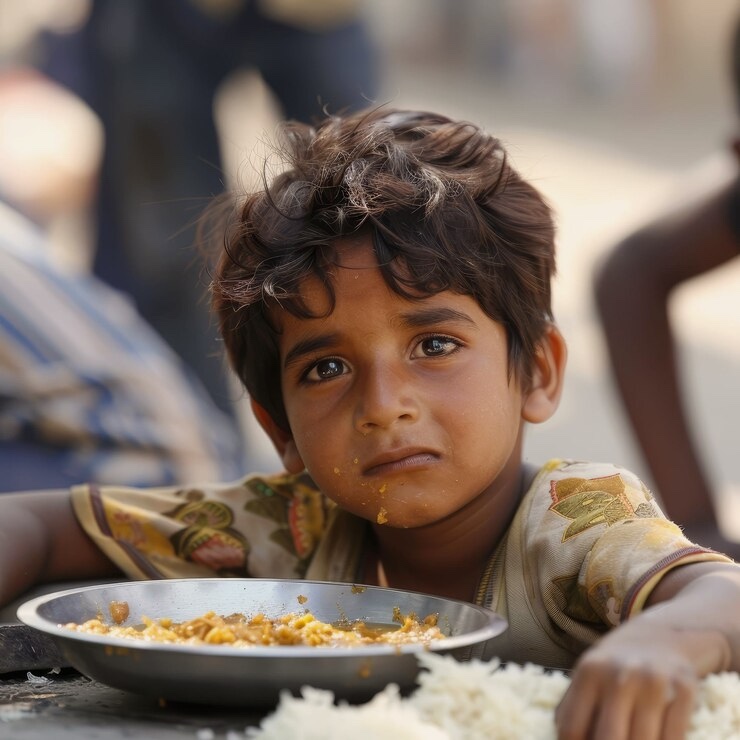
The statistics are sobering: 98 million children of primary school age remain out of school in sub-Saharan Africa alone. In conflict-affected regions, children are five times more likely to be denied education. Those who do attend school often face overcrowded classrooms without basic necessities like clean water, electricity, or adequate teaching materials.
Educational deprivation creates devastating ripple effects. Children without education are more vulnerable to exploitation, early marriage, and conflict involvement. The World Bank estimates that the global learning crisis could cost today’s students $21 trillion in lifetime earnings. Countries with large uneducated populations struggle to compete globally, creating cycles where poverty prevents educational investment.
The Power of Education
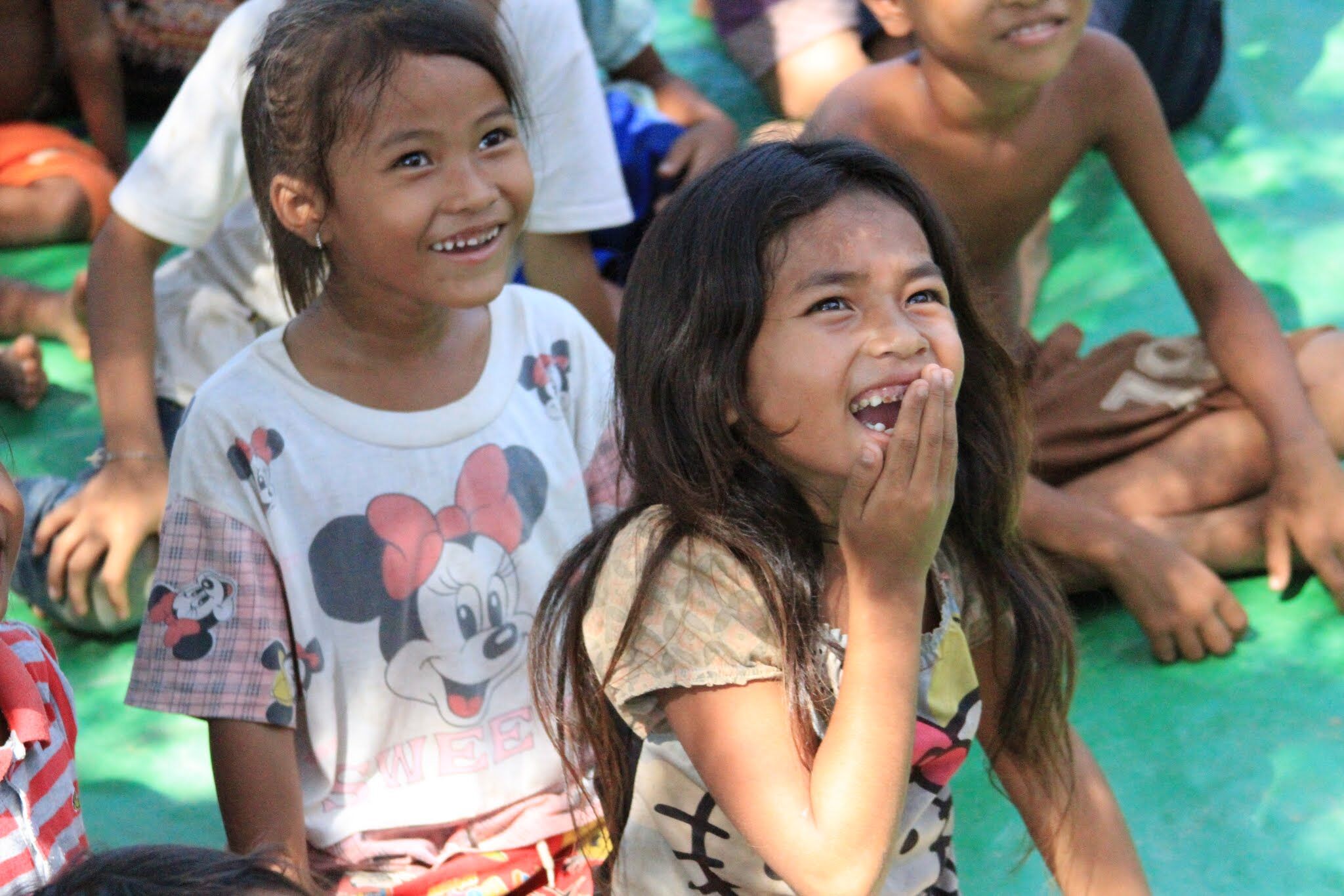
When charitable organizations invest in education, the transformation is remarkable. Each additional year of schooling increases individual earnings by up to 10 percent and reduces conflict likelihood by 20 percent. Educated girls marry later, have healthier families, and drive economic growth. Education serves as society’s greatest equalizer.
Strategic Solutions
Effective charitable intervention requires comprehensive approaches. Infrastructure development—building schools and providing basic facilities—must be paired with teacher training and community engagement. Technology offers new possibilities, with mobile learning platforms and solar-powered devices reaching remote communities. The most successful programs combine immediate relief with long-term sustainability. School feeding programs encourage attendance while addressing hunger. Community involvement ensures programs continue beyond external funding. Public-private partnerships leverage resources for maximum impact.
Measuring Success
Charitable organizations must demonstrate clear impact through robust monitoring systems that track not just enrollment but learning outcomes and long-term life improvements. Success extends beyond academics to include critical thinking development and community resilience.
The Imperative for Action
The case for investment rests on moral and economic foundations. Every child deserves the opportunity to develop their potential—education is a fundamental human right. Economically, education yields some of the highest returns of any development intervention, driving innovation and global prosperity.
Addressing educational inequality requires coordinated global action. The children waiting for opportunities cannot wait for perfect solutions—they need action now. Support proven organizations, advocate for increased funding, and demand accountability for results.
Investment in education for underserved communities is ultimately investment in humanity’s future. When every child has access to quality education, we create a world with greater opportunity, reduced conflict, and shared prosperity. Education is not just charity—it is the foundation of a just and prosperous world for all.