More Than Just Hunger
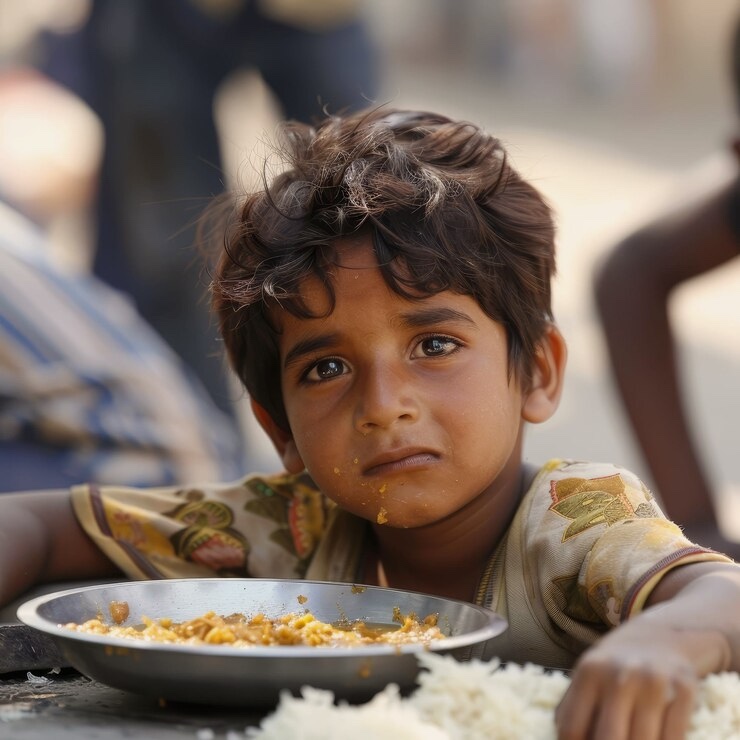
Every morning, millions of children around the world wake up to an empty plate and an empty promise of a better tomorrow. In our own communities—perhaps closer than you think—children are going to school hungry, struggling to concentrate, and falling behind not because they lack intelligence or ambition, but because they lack something far more fundamental: proper nutrition. Malnutrition in children goes far beyond an empty stomach. It’s a thief that steals futures. When a child’s body lacks essential nutrients during critical developmental years, the consequences ripple through every aspect of their life:
Academic Performance: Malnourished children struggle to focus in class, have difficulty retaining information, and often fall behind their peers academically. The brain, requiring 20% of the body’s energy, simply cannot function optimally without proper fuel.
Physical Development: Stunted growth, weakened immune systems, and delayed motor skill development are common among chronically malnourished children. These physical setbacks can persist into adulthood, creating lifelong health challenges.
Emotional Well-being: The stress of hunger affects mental health, leading to increased anxiety, behavioral problems, and social withdrawal. Children who experience food insecurity often develop complicated relationships with food that can last a lifetime.
Social Integration: Hungry children may avoid social situations involving food, miss school events, or withdraw from activities, further isolating them from their peers and support networks.
The Cycle That Must Be Broken
Perhaps most heartbreaking is how malnutrition perpetuates itself across generations. Malnourished children often become adults with limited educational and economic opportunities, making it difficult to provide adequate nutrition for their own children. This cycle of poverty and malnutrition can trap families for generations unless intervention occurs. The children affected aren’t statistics—they’re individuals with dreams, talents, and unlimited potential.
Seeds of Hope: What Proper Nutrition Can Achieve
The transformation that occurs when a malnourished child receives consistent, nutritious meals is nothing short of miraculous. Within weeks, teachers report improved attention spans and better classroom participation. Parents notice increased energy and happier dispositions at home. Healthcare providers document better growth patterns and fewer illnesses. Long-term studies show that children who receive nutritional support during critical years have significantly better outcomes in education, employment, and overall life satisfaction. They’re more likely to break the cycle of poverty and provide better opportunities for their own families.
Every child deserves the fundamental right to proper nutrition—not as charity, but as an investment in our collective future. These children will become our teachers, doctors, artists, and leaders, but only if we give them the nutritional foundation they need to thrive. When you support programs that address child malnutrition, you’re not just feeding a child for a day—you’re:
- Enabling a student to focus and learn, potentially changing their entire educational trajectory
- Supporting healthy physical and cognitive development during crucial growth years
- Providing stability and hope to families facing food insecurity
- Investing in the future leaders and innovators of our communities
- Breaking cycles of poverty that have persisted for generations
The Ripple Effect of Your Generosity
Your contribution creates waves of positive change that extend far beyond a single meal. Fed children become engaged students. Engaged students become productive adults. Productive adults become community leaders who understand the importance of ensuring no child goes hungry. The cost of intervention pales in comparison to the cost of inaction. Providing nutritious meals to a child costs far less than addressing the long-term consequences of malnutrition—remedial education, healthcare interventions, and lost economic productivity. The children in our communities who face malnutrition don’t need our pity—they need our action. They need advocates who understand that proper nutrition is not a luxury but a necessity for human development. They need supporters who recognize that investing in a child’s nutrition is investing in all our futures.
Together, we can ensure that no child’s potential is limited by something as preventable as malnutrition. Together, we can break the cycles that have persisted for too long. Together, we can transform not just individual lives, but entire communities. The question isn’t whether we can afford to help—it’s whether we can afford not to. Every day we delay, more children fall further behind, and more potential is lost forever.