The Life-Changing Impact of Craniofacial Surgery for Children
Behind every cleft lip, every facial deformity, and every craniofacial condition lies a child whose entire world has been shaped by how others see them—and how they see themselves. These children, born with conditions that affect the structure of their face and skull, face challenges that extend far beyond the physical. They navigate a complex landscape of social isolation, educational barriers, and profound psychological trauma that can define their entire lives. Yet within this challenge lies extraordinary hope. Through the skilled hands of humanitarian surgeons and the generosity of compassionate donors, these children’s lives can be completely transformed—not just physically, but emotionally, socially, and psychologically.
The Hidden Wounds: Psychological Impact of Craniofacial Conditions
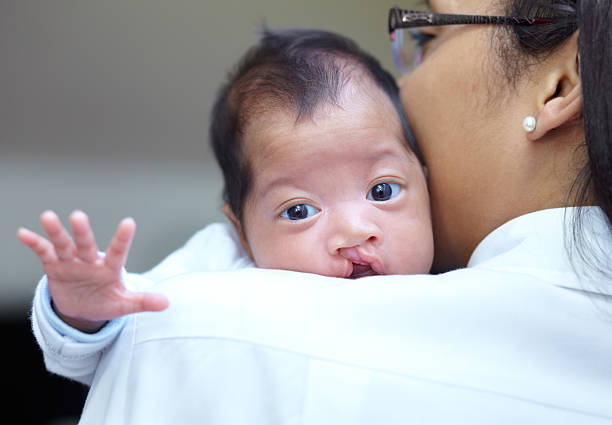
When a child is born with a craniofacial condition—whether it’s a cleft lip and palate, craniosynostosis, facial asymmetry, or other structural differences—the medical community often focuses first on the functional aspects: breathing, eating, and speech. However, the psychological impact of these conditions runs deeper and often lasts longer than many realize. From their earliest interactions with the world, children with craniofacial differences learn that they are perceived as “different.” This awareness often begins before they can even speak, as they notice the stares, whispers, and sometimes recoil of others. By the time they reach school age, many have already developed complex coping mechanisms and defensive behaviors. Research consistently shows that children with visible facial differences experience significantly higher rates of:
Social Anxiety and Withdrawal: Many children become increasingly isolated, avoiding social situations where their appearance might draw attention. Birthday parties, school events, and playground interactions become sources of stress rather than joy.
Depression and Low Self-Esteem: The constant awareness of being visually different can lead to profound feelings of inadequacy and hopelessness. Children may begin to define themselves entirely by their condition, losing sight of their talents, personality, and potential.
Academic Challenges: While intellectual capacity is typically unaffected, the psychological burden of their condition can significantly impact school performance. Anxiety, depression, and social isolation create barriers to learning and participation.
Behavioral Issues: Some children develop aggressive or disruptive behaviors as a way to control social interactions, preferring negative attention to the pity or avoidance they often encounter.
Beyond Physical Reconstruction: The Psychological Transformation
When humanitarian surgical teams provide craniofacial reconstruction for children, they’re not just repairing anatomical structures—they’re rebuilding entire psychological landscapes. The transformation that occurs is often profound and immediate.
The Mirror Moment – One of the most powerful moments in craniofacial surgery occurs when a child first sees their new reflection. Years of avoiding mirrors, hiding from cameras, and covering their face suddenly give way to wonder, joy, and often tears. This single moment can mark the beginning of an entirely new relationship with themselves and the world.
Social Reintegration – Children who once hid in shadows often emerge as confident, engaged individuals. They begin participating in activities they previously avoided, form friendships more easily, and develop social skills that were previously hindered by their self-consciousness. Teachers frequently report dramatic improvements in classroom participation and peer relationships.
Academic Renaissance – With reduced anxiety and increased confidence, many children experience significant academic improvements following surgery. They’re more likely to ask questions, participate in discussions, and pursue educational opportunities they previously felt were beyond their reach.
Identity Reformation – Perhaps most importantly, children begin to develop identities that extend far beyond their medical condition. They discover talents, interests, and aspects of personality that were previously overshadowed by their appearance-related concerns.
A Future Where Every Child Can Smile
When you support humanitarian craniofacial surgery programs, you’re not just funding a medical procedure—you’re investing in human dignity, potential, and hope. You’re giving children the chance to see themselves as more than their medical condition. You’re providing families with hope for their child’s future. You’re creating ripple effects that will benefit communities for generations. The technology exists. The surgical expertise is available. Dedicated medical professionals are ready to volunteer their time and skills. The only missing element is the funding to make these life-changing missions possible.
Imagine a world where no child has to hide their face in shame, where every child can speak clearly and be understood, where physical differences don’t limit educational and social opportunities. This vision is achievable through the continued support of humanitarian craniofacial surgery programs.
The children who need these surgeries have already shown incredible resilience and courage simply by surviving and thriving despite their challenges. They deserve the chance to discover who they truly are beneath the conditions that have defined them. Your support can be the bridge between a child’s current struggle and their unlimited future potential. It can be the difference between a life constrained by physical differences and a life defined by character, intelligence, and dreams. The surgical skills exist. The willingness to serve is there. The children are waiting.