The Fight to Save Premature Babies
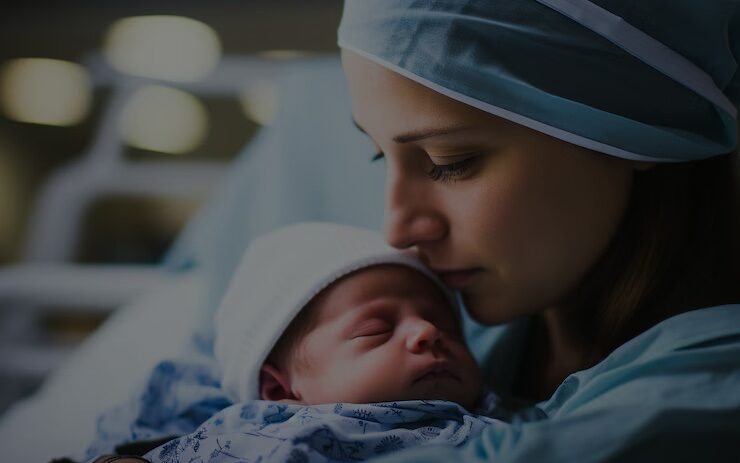
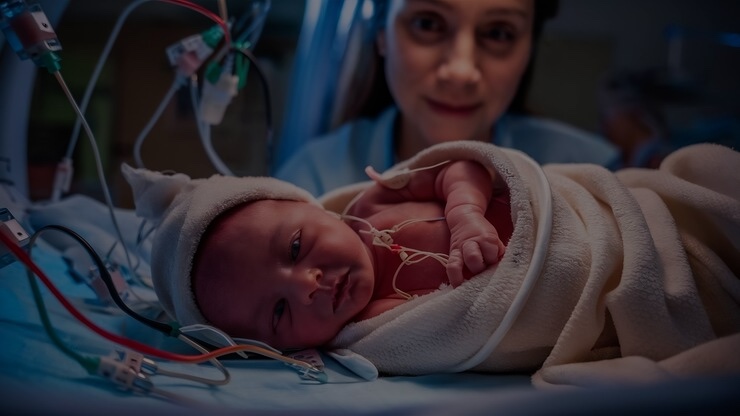
Lynn cradles her tiny daughter against her chest, feeling each labored breath through paper-thin skin. Born three months early, little Amara weighs less than a bag of sugar. Her intestines are dying inside her fragile body. The surgery that could save her life exists just 500 miles away—but it might as well be on another planet. Lynn whispers prayers and promises into her baby’s ear, knowing that in 24 hours, her daughter will likely be gone. Not because medicine can’t save her. Not because the surgery is impossible. But because Amara was born in the wrong place, at the wrong time, to parents who love her with all their hearts but cannot give her what she needs most: a chance to live.
Lynn sold everything she owned trying to save Amara. Her wedding ring, her family’s goats, even her mother’s burial jewelry. She hitchhiked 200 miles to a hospital that turned her away because they had no equipment for premature babies.
She tried another hospital. And another. Each “no” carved deeper into her heart. Each closed door stole more of her hope. By the time she found a facility that could help, it was too late.
“I would have given my life for hers,” she whispers. “But they didn’t want my life. They wanted equipment I couldn’t buy, doctors I couldn’t find, miracles I couldn’t create.”
Every three minutes, a premature baby dies from a condition that could have been easily treated in a well-equipped hospital. These aren’t complicated cases requiring experimental treatments—they’re straightforward surgical procedures that doctors in developed countries perform routinely.
These parents didn’t fail their babies. The world failed them.
The Cruelest Lottery
In the developed world, 90% of extremely premature babies survive and thrive. In underserved communities, 90% die. The difference isn’t in the babies’ will to live or their parents’ love—it’s in something as random and unfair as geography.
The conditions killing these babies are heartbreakingly treatable:
- Necrotizing Enterocolitis: Their tiny intestines die while parents watch helplessly. A simple surgery could save them.
- Heart Defects: Blood vessels that should close after birth remain open, drowning little lungs. A routine procedure could fix it.
- Breathing Problems: Airways too small to sustain life. Basic surgical intervention could open the path to survival.
- Eye Disease: Blood vessels growing wild in premature eyes, stealing sight forever. A quick procedure could preserve their vision.
The Infrastructure of Hope
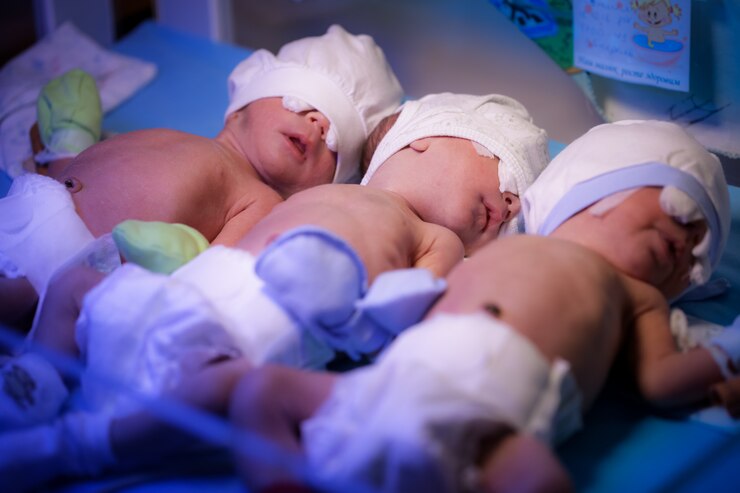
When we build a NICU in an underserved community, we’re not just installing equipment—we’re installing hope where none existed before.
In Rwanda, systematic infrastructure development has saved thousands of babies like Amara. Mortality rates dropped 60% because someone decided these babies’ lives mattered enough to invest in their survival.
Mobile NICU units in India race against time, bringing surgical capabilities to babies who would otherwise die waiting. Parents weep with relief when these angels on wheels arrive.
Telemedicine networks connect desperate doctors with specialists who can guide them through life-saving procedures, turning impossible cases into success stories.
The Mirror of Our Humanity
When we look into the eyes of a parent holding a dying premature baby, we see ourselves. We see our own children, our own devastating vulnerability, our own desperate need for someone to care enough to help. These parents don’t want charity—they want the same chance to save their children that we would demand for ours. They don’t want pity—they want the infrastructure of hope that we take for granted.
Right now, somewhere in the world, a mother is holding a premature baby who needs surgery to live. In the next hour, that baby will either receive the care they need or join the million children who die each year from preventable complications. You have the power to change that outcome. Your donation doesn’t just fund equipment—it funds miracles. It doesn’t just build facilities—it builds futures. It doesn’t just save babies—it saves families, communities, and hope itself.
The babies can’t wait. The parents can’t wait. The world can’t wait for someone else to care enough to act. These children are fighting for their first breath while we decide whether their lives are worth our investment. Their tiny hearts are beating while we calculate the cost of caring. Will you be the miracle they’re praying for? Will you be the hope their parents are desperately seeking? Will you be the reason a baby like Amara finally gets to grow up? Their fight for life is ending. Your opportunity to save them is now.